
Repair or Junk
Blown Engine: Replace It or Junk the Car?
The engine made a terrible noise, or it quit with a cloud of smoke, and now a mechanic is using the word "blown." That word covers a lot. It could mean a thrown rod, a seized engine, or serious internal damage from running without oil or coolant.
An engine replacement is one of the biggest jobs a car can need. Sometimes it is still the smart move, because everything else on the car is good. Do not agree to it, or walk away from the car, until you have a few facts.
Short answer
First, confirm the engine has really failed, and why. Then get written quotes for the realistic options: a used engine, a rebuilt or remanufactured engine, or a rebuild of yours. Replacing makes sense when the rest of the car is sound and the car would be worth clearly more afterward. If it is rusty or tired elsewhere, letting it go is usually the better call.
First, make sure it is really blown
Do not try to restart the engine to see what it does. If it has a knocking noise, smoke or no oil pressure, more cranking can add damage, and a fire is possible. Have it towed to a shop.
A good shop can usually tell you more with some basic tests. Ask which of these it ran, and what it found:
- Can the engine be turned over by hand? If it will not turn, it may be seized.
- Compression or leak-down test results, by cylinder.
- Oil condition: metal in it, or coolant mixed in.
- A camera look inside the cylinders, if the shop can do that.
- A check that a failed timing belt or chain or a head gasket is not the real cause. Those are different repairs, and may be smaller.
Also ask why it failed. If it overheated or lost oil, the cause may still be there. A new engine will fail the same way unless the leak, radiator or cooling problem gets fixed too.
Your engine options, side by side
| Option | What it is | What to ask |
|---|---|---|
| Used engine | Pulled from another vehicle, with its own unknown wear. | Mileage on the donor car? How was it tested? What does the warranty cover, and does it include labor if the engine has to come back out? |
| Rebuilt by a shop | Your engine or a core engine is taken apart, with worn parts replaced. | Exactly what gets replaced? Who does the machining? Is your block reusable? |
| Remanufactured | Rebuilt to a set standard, usually by a dedicated company. | Who built it? What is the written warranty, and where can it be honored if you move? |
| New from the maker | Usually a special order, if available at all for an older car. | Is it available for this year and model, and is it sensible for a car this age? |
| Walk away | Sell the car as it is. | What is it worth with a bad engine? That is the number to compare with the quotes. |
Get written quotes for at least two options. We do not quote repair prices here, because they depend on the car, the shop and the parts, and only a real estimate can tell you.
When an engine replacement is the better call
It can be the right move, even on an older car. Lean toward replacing when:
- The body and frame are solid, with little or no rust.
- The transmission shifts well and the shop found no problems with it.
- Brakes, steering and suspension do not need big work soon.
- The cause of the failure is known and can be fixed.
- The written quote comes in below what the repair would add to the car’s value, or close to it.
- You could not buy a comparable car as reliable for the same money.
- It is a model with strong demand or one you plan to keep a long time.
If you are unsure about the value side, use our guide on finding what your car is worth.
Signs it is time to let the car go
These point the other way:
- Other big problems are waiting. The transmission slips, the frame has rust, or the shop lists more work due soon.
- You would be financing a repair on a car with a small value. Be sure you could still cover the next failure.
- No warranty you can use. A used engine with a short or parts-only warranty leaves the risk on you.
- The cause is not known. If nobody can say why it died, you cannot say what would stop it happening again.
Selling a car with a dead engine
A car does not need a working engine to have value. A private buyer may want it as a project, and if so, tell them exactly what happened and what the shop found. Or sell it for its parts and metal. Our guide on selling whole versus parting out covers the tradeoffs of doing that yourself.
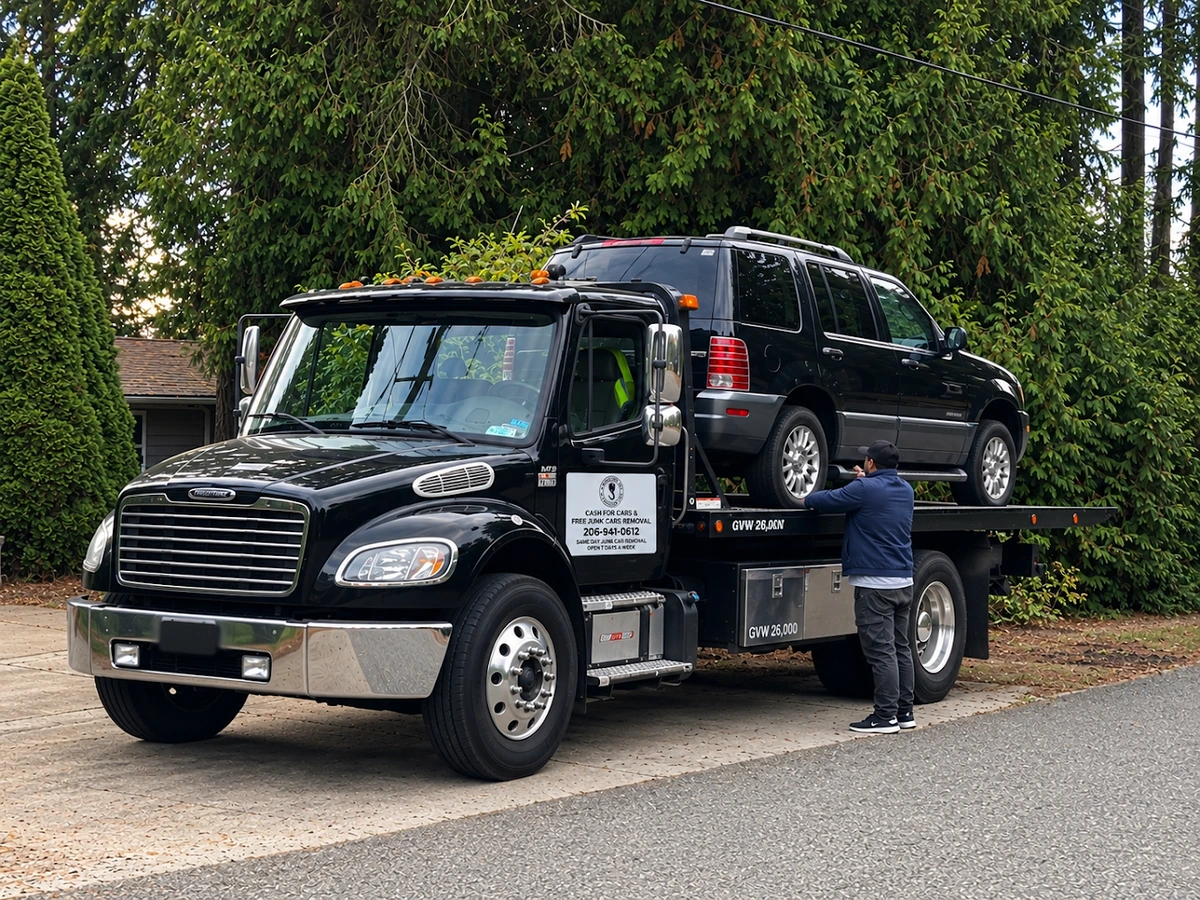
If you plan to call us, please leave the car complete. An engine or other main parts pulled before the pickup can change things, because incomplete vehicles may carry a pickup fee or may be declined. A complete car with a dead engine is fine: we tow non-running cars for free on a flatbed and pay cash on the spot.
Common questions
Keep reading
- Washington Junk Car Seller’s GuideEvery guide, sorted by where you are in the decision
- Washington Junk Car Paperwork GuideThe documents you need before pickup
- Bad Transmission: Repair or Junk the Car?
- Blown Head Gasket: Fix It or Junk the Car?
- Timing Belt or Chain Failure: Repair or Junk?
- Car Keeps Overheating: When to Stop Fixing It
- Rusted Frame or Body: Is the Car Still Worth Saving?
- Electrical Gremlins: When to Give Up on an Old Car
4.9 out of 5 from 160 Google reviews · Licensed & insured · 20+ years in business
They made it so easy and fast! I called them gave them all the details and they came within the hour towed the car and gave us cash on the spot will definitely recommend them :)
Very fast service. The tow truck driver was very skilled at getting my SUV out of a tight spot. I appreciate how easy it was to work with this company. Highly recommend 💞
Fast same day service. I just had to make sure we had the title and the truck was clean and we were good to go! Thanks for getting rid of our old truck for free.
If you have any questions please call us at 206-941-0612